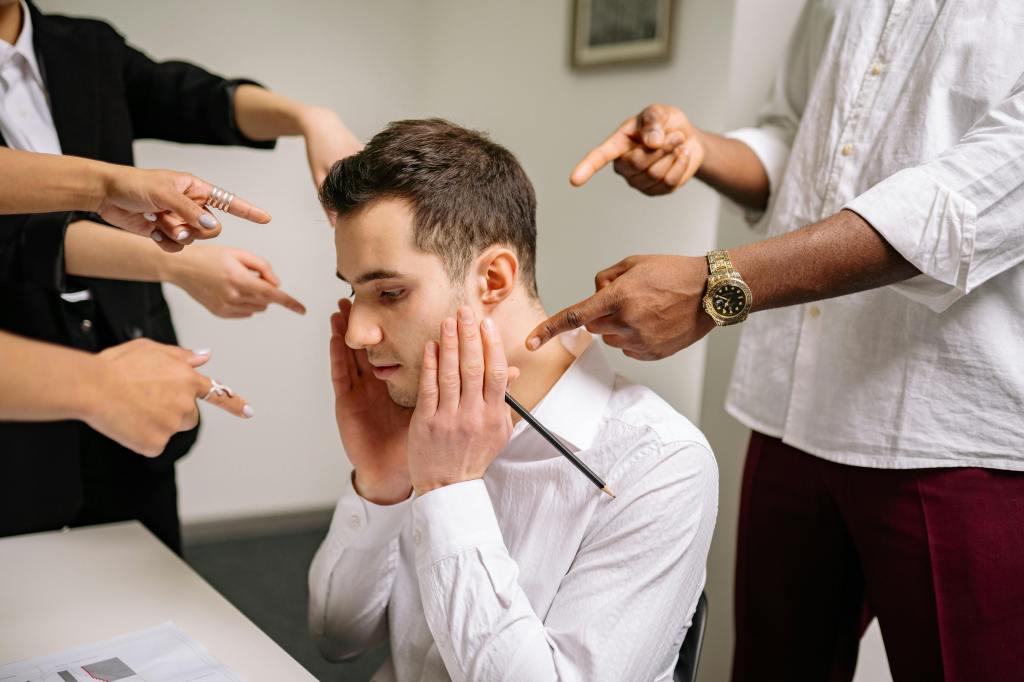
You don’t have to hate yourself.

You don’t have to hate yourself. 

I know, that sounds obvious, right? 

Not to CPTSD survivors it’s not. 

We are very often conditioned to hate ourselves. 

And distrust ourselves. 

And hurt ourselves. 

When I say we are “conditioned,” what I mean is, we are not making a “choice.” 

We have been programmed. Trained. 

Most of us don’t even realize what’s happening inside our head and heart— all we know is, we f*cking hate ourselves. 

We wouldn’t hold anyone else to the standards we hold ourselves to. 

We wouldn’t talk to anyone else like we talk to ourselves in our own head. 

We wouldn’t punish anyone else for simply existing and breathing and taking up space, he way we punish ourselves. 

Why do we hate ourselves so much? 

Because the experiences that evoke CPTSD often leave us feeling like it was our fault. 

And, not for nothing, we’re often TOLD it was our fault. 

We walk away from those experiences believing we are unworthy. 

We walk away from those experiences feeling incompetent. 

Abuse, neglect, and coercive control— the experiences most often associated with CPTSD— often just shred our self-esteem beyond anything recognizable by non-survivors. 

Sexual abuse in childhood— the experience most often associated with DID— often leaves us feeling fundamentally “gross” and unlovable and complicit. 

We don’t “ask” for any of those feelings. None of those feelings has anything to do with reality. 

But all we know is, we arrive in adulthood just seething at ourselves.

Sometimes it’s so bad we can’t even look at ourselves in the mirror or stand to hear our voice on a recording. 

That’s where we are. It’s not where we “should” be; but it’s where many survivors reading this start. 

Changing that— learning to not hate ourselves— starts with just introducing the simple idea: it doesn’t have to be this way. 

We don’t hate ourselves because we “have” to. We hate ourselves because we’ve been trained to. 

We can unlearn what we once learned. 

Don’t get me wrong: it will take time. And patience. And persistence. And commitment. Just like every meaningful shift in realistic trauma recovery. 

Oh, it’s a massive pain in the ass. 

And but also: it’s a pain in the ass that’s worth it. 

You deserve to be on your own side. To have your own back. 

You deserve the most realistic shot at meaningful trauma recovery possible. 

And that includes not waking up and f*cking hating yourself. 

Because you don’t have to. Nothing bad will happen if you don’t. 

I promise. 
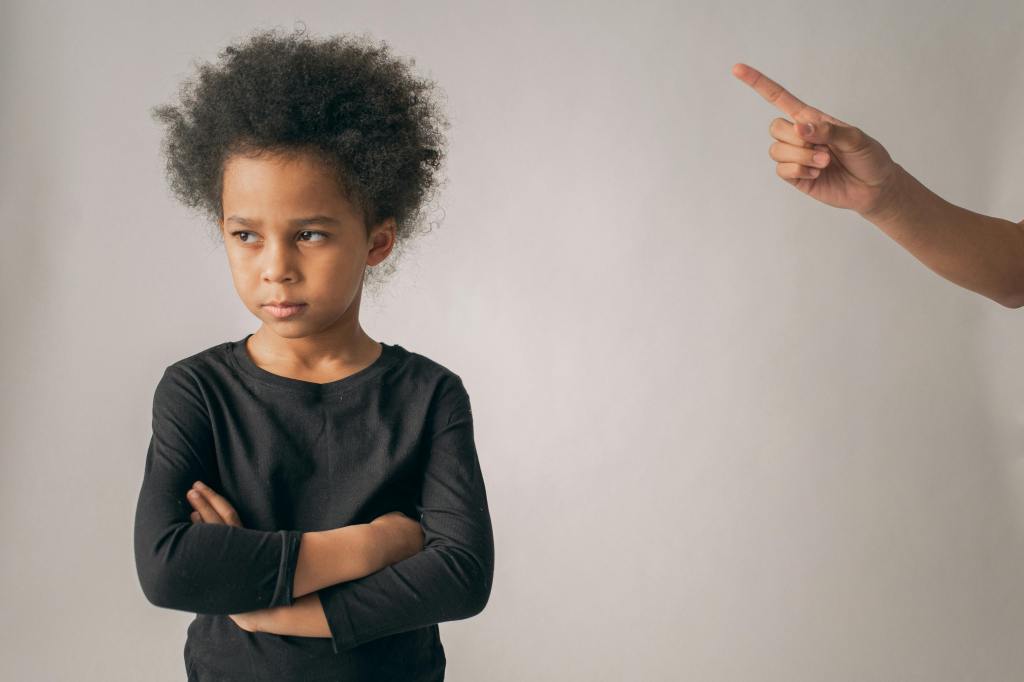
You are not being “punished.”

You’re not being “punished” for anything you did or anything you are. Really. 

I know: sometimes it can feel like that. 

And I know there are people reading this who vehemently disagree: they truly believe their pain IS “punishment” for something. Maybe just for existing. 

I promise: reality doesn’t work like that. 

It’s true that some people will try to control our behavior through threatened punishment. But that’s not what I’m talking about here. 

I’m talking about the fact that we can get it in our head that we “deserve” the pain we’re experiencing. 

Or that we “created” that pain. 

Or that we “allowed” that pain. 

Listen to me: you did not “deserve” to be traumatized, and you do not “deserve” to suffer now. 

The fact that Trauma Brain is insisting otherwise is an artifact of your conditioning— not reality. 

Why are we so vulnerable to that idea, that we’re being “punished” for something we did or something we are? 

Sometimes it’s because we were literally told that. 

We might have been directly told that by our bullies and abusers— but we might have also been indirectly “told” that by a culture that loves its fantasies of “nothing bad can happen to people who don’t ‘deserve’ it.” 

Our culture LOVES that particular fantasy. 

The idea that terrible things can happen to people who don’t “deserve” it, that bad things can happen to good people, leaves us feeling INCREDIBLY vulnerable. We hate it. 

So we, as a culture, invent this fantasy of somehow having “caused” or “allowed” our own pain, mostly as a way to feel less powerless. 

After all: if there actually IS rhyme or reason to this pain, if it’s our “fault,” then we’re kind of in “control” of it in a way, aren’t we? 

CPTSD survivors are particularly vulnerable to this line of bullsh*t, specifically because we hate, we hate, we HATE feeling powerless. 

We’d rather feel guilty than powerless. 

Realistic recovery asks us to give that fantasy up— which is harder than it sounds. 

Realistic recovery asks us to give up the idea that “everything happens for a reason.” 

Realistic recovery asks us to give up the idea hat we could have somehow avoided or controlled the trauma we experienced. 

Realistic recovery asks us to give up the idea that we’re being “punished.” 

Understand: we have been deeply, deeply programmed and conditioned to believe these things. Giving them up is not a one time decision. 

Rather: giving up those self-blaming ideas and fantasies is a process. 

It’s a process of notching when our old programming is activated— and intentionally, consistently scrambling it. Talking back to it. Swapping in new beliefs and self talk for the old. 

It’s a massive pain in the ass. 

And: it’s worth it. 

It’s worth it to liberate ourselves from the vicious fallacy that this is all our fault. 

No one reading this “deservers” to suffer for anything that happened TO them, or for what they didn’t know or couldn’t do in the past. 

You deserve recovery. 

You deserve support. 

You deserve to live. 

Breathe; blink; focus; and do the next recovery supporting thing.