
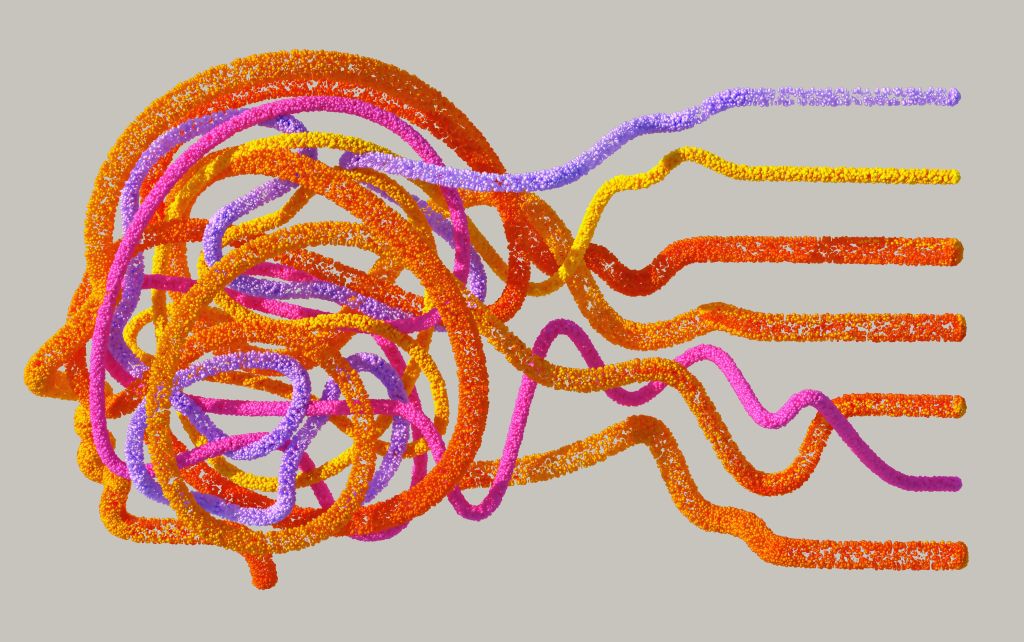
I don’t love that I’m vulnerable to conditioning. I assume you don’t love that you’re vulnerable to it, either.
You know what I’m talking about. Conditioning. Programming. Brainwashing.
Changes in how we think, feel, and behave, that we did not choose— that someone else drilled into us.
Conditioning is at the core of the CPTSD wound.
It’s not just that bad things happened to us, and caused us pain.
It’s that painful things happened to us, over time, and we were unable to escape them, over time.
So those painful things changed us, over time.
They conditioned us.
They conditioned us to believe certain things about ourselves.
They conditioned us to feel certain things.
They conditioned us to do certain things.
All of which happened without our consent, or even our knowledge, a lot of the time.
It’s not our fault that we were, and are, vulnerable to conditioning.
It’s true that we were particularly vulnerable to conditioning when we were children— but we don’t outgrow that vulnerability to conditioning.
That’s why advertising exists, and not just for children. It’s why political campaigns exist.
It’s even why many religious ceremonies are designed the way they are and why many religious communities function the way they do (I’m not necessarily criticizing religion, I’m pointing out that the way even the best-intentioned religions operate is geared toward conditioning how we think, feel, and behave).
In order to effectively heal complex trauma— trauma that unfolded over time, that was inescapable, and that entwined with our closest relationships— we need to understand and accept that its wounds were inflicted by conditioning.
That’s a tough pill to swallow.
We like to think our intelligence makes us less vulnerable to conditioning— but that’s not how it works.
We like to think we can age out of our vulnerability to conditioning— but that’s not how it works, either.
We HATE feeling vulnerable to changes someone is trying to inflict upon us without our knowledge or consent— but we very much are.
Getting serious about trauma recovery means getting serious about conditioning and its effects.
We don’t undo conditioning overnight.
We realistically recover by unwinding the conditioning that was inflicted on us— that now resides in our nervous system as what I call Trauma Brain— and choosing new conditioning that we nurture in ourselves, that reflects our goals and values and authenticity.
That’s right: in order to undo all that old brainwashing, we have to “brainwash” ourselves.
But there’s a ton of difference between conditioning that was done to us, and conditioning we choose, for our purposes.
Any trauma recovery blueprint that does not acknowledge the centrality of conditioning and reconditioning will fail.
Complex trauma is conditioned trauma. Always, by definition.
Breathe. Blink. Focus.
And start thinking about your CPTSD injury in terms of conditioned patterns, not chaotic slashes.


