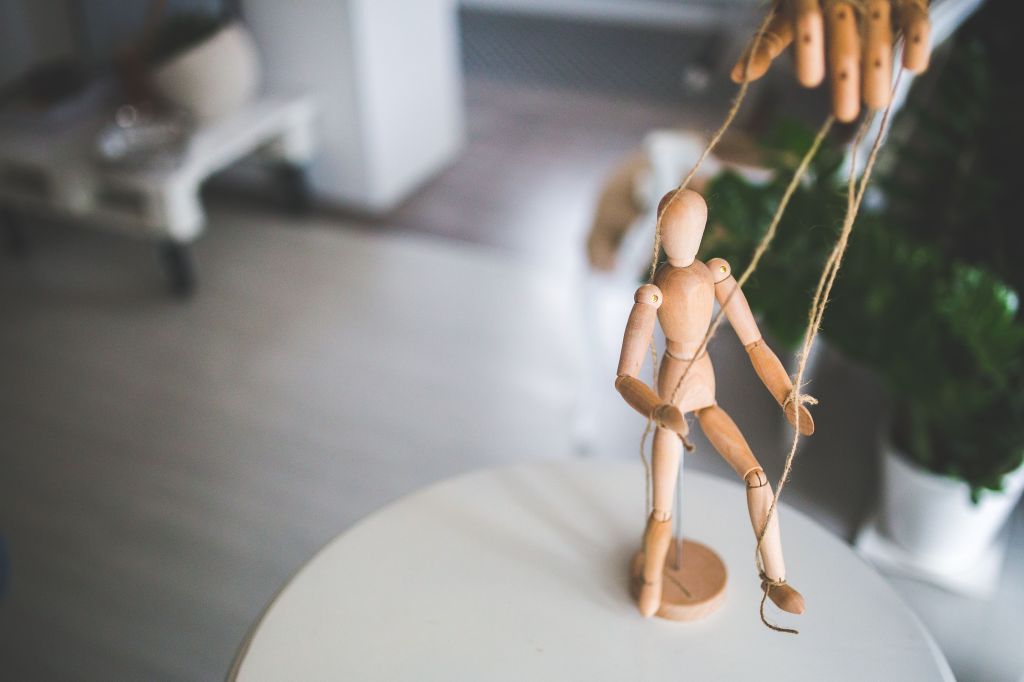
No one is coming to save us.
I know I don’t need to tell you that. You probably know.
But sometimes I need to remind myself.
I find it useful to remind myself of the fact, because for a long time I had this fantasy someone would just appear to save me— from my trauma symptoms, from my addictions, from…everything.
That fantasy kept me trapped.
I remember at one time resentfully spitting at my therapist, “I’m drowning here, and you’re describing the water.” (It’s a famous line from the old movie “As Good As It Gets.”)
I was furious, having realized he wouldn’t save me.
Being a trauma survivor, I assumed that the reason no one was coming to save me was because I was unloved.
Or maybe unloveable.
Just not worth saving, I guess.
I clung on to the fantasy of being saved, because I figured if someone DID come to save me, somehow, some way, it would mean I WAS worthy, I WAS loved.
It would be the only way to be sure, really.
Now I know I was setting myself up.
The reality is, no one is coming to save us, not because we’re unlovable or unworthy— but because no one CAN save us.
We have to save ourselves.
No one can reshape our self talk for us. We have to do it.
No one can recondition our patterns of mental focus for us. We have to do it.
No one can manage our breathing and physiology for us. We have to do it.
Not because we’re unlovable or unworthy, but because, quite literally, no one else CAN engage those trauma recovery tools for us.
No one CAN commit FOR us to not attack or shame ourselves.
No one CAN commit FOR us to not harm or kill ourselves.
No one CAN commit FOR us to not relate to ourselves like our abusers and bullies did.
The irony is, once we take radical responsibility for saving ourselves from the inside out? THEN we can actually take advantage of whatever external supports we do have.
I know now I couldn’t take full advantage of my therapist’s skill UNTIL I had made the decision to save myself, no matter what.
(I also now understand that my little tantrum at him was part of that process— because, God dammit, I was angry that I had to save myself. Some days I still am.)
No one is coming to save us. Not from CPTSD, not from DID, not from self-harm, not even from suicide.
It’s on us.
And, as it turns out, that’s the good news.
Because we absolutely can save ourselves, by developing tools we already have.
I’m going to get sh*t from some readers for saying that, but I don’t care: it’s true.
You and I have versions of the tools we need. We may need to develop and strengthen them, which is what trauma recovery is all about, but saving ourselves will not require from us anything we can’t do.
To quote the Beatles, “there’s nothing you can do that can’t be done.”
No one is coming to save us.
But everyone who has ever written a book or a song or a poem about making it through hard times has handed us a tool.