
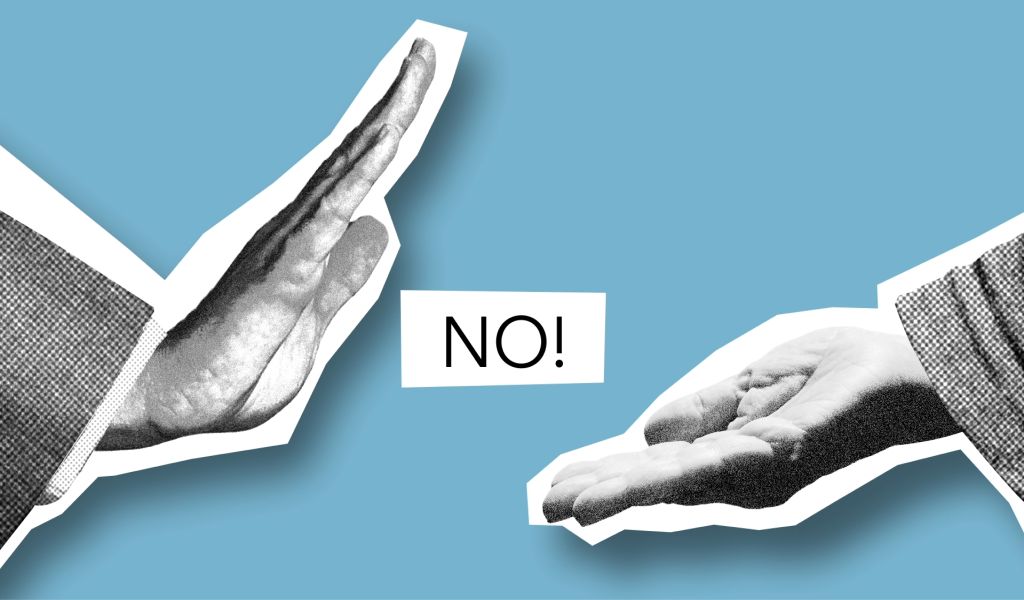
Leveling up in trauma recovery often involves defining, clearly and emphatically, what we’re done tolerating.
If you look at your life, chances are any time it’s significantly changed for the better involved a decision to no longer tolerate something.
Sometimes what we’re no longer tolerating has to do with somebody else. We’re done tolerating their condescension, their disrespect, their neglect.
Other times what we’re no longer tolerating has to do with our own behavior. We’re done talking to ourselves like our bullies and abusers talked to us. We’re done harming ourselves. We’re done neglecting our physical health.
This tool— getting clear and consistent about what we will no longer tolerate— stems in no small part from the post traumatic “fight” response.
What is the “fight” response?
Ultimately, it’s our nervous system saying, “I’m mad as hell, and I’m not going to take it anymore.”
Our “fight” response is akin to our “parts” banding together and saying, “Aw, hell no.”
One of the reasons I think the “fight” trauma response gets such a bad rap is, we survivors have super mixed feelings about aggression in general.
Often we’ve had terrible experiences with people who cannot regulate their aggression or anger.
We associate aggression with pain and lack of control— and we assume our “fight” response might make us like those scary, dysregulated people who hurt us.
Nothing could be further from the truth.
Yes, sometimes our “fight” response manifests aggressively— but just as often, it manifests protectively.
Our “fight” response is the engine of most of the boundaries we set in trauma recovery.
Our “fight” response allows us to tap into energy and focus we just can’t access when we’re cool, calm, and collected.
And, of course, our “fight” response fuels our commitment to no longer tolerate things that are toxic to our recovery or our life.
What you’re going to find, as you work your trauma recovery, is that there truly is a place for every trauma response we can experience.
We don’t have to deny, disown, or ignore any of them.
Trauma responses don’t actually cause us the biggest problems when they get triggered— they cause us the biggest problems when we try to deny or disown them. To run from them, to shame them.
If you had the tools and support, what would you no longer be willing to tolerate in your life, starting today?
What would make nudging toward setting a boundary with that thing .01% more realistic today?
Now go listen to “We’re Not Gonna Take It” by Twisted Sister, and repeat as necessary.
Doctor’s orders.
(Of course that’s a joke, but that is what I’m going to do.)
Breathe; blink; focus.


