
The secret to trauma recovery is not “try harder.”
And your problem in trauma recovery is not that you haven’t been trying hard enough.
“Try harder” is not even a strategy. It kind of sounds like one, but it’s not.
“Try harder” is the kind of thing people say who don’t understand trauma or recovery.
Most people reading this, especially if they’re recovering from CPTSD, already feel an enormous amount of guilt for supposedly “not trying hard enough.”
This tends to be true no matter how hard they’ve been trying.
But this isn’t an effort problem.
If you’re reading this, you probably didn’t have the safety or support you needed to develop effective strategies for living.
Note I said “living”— not just “surviving.” You obviously survived, since you’re reading this.
But if you’re reading this, odds are you haven’t really been living.
You’ve probably not had the safety or support to really define or work toward your goals.
You’ve probably not had the safety or support to really engage and enjoy what you like.
Hell, you may have been expending enormous bandwidth just staying alive.
No shame, no shade— but that’s not really “living.”
And the problem has not been you “not trying hard enough.”
The problem has the lack of safety and support. Tools and philosophies that you should have been taught by the people who said they loved you—but you weren’t.
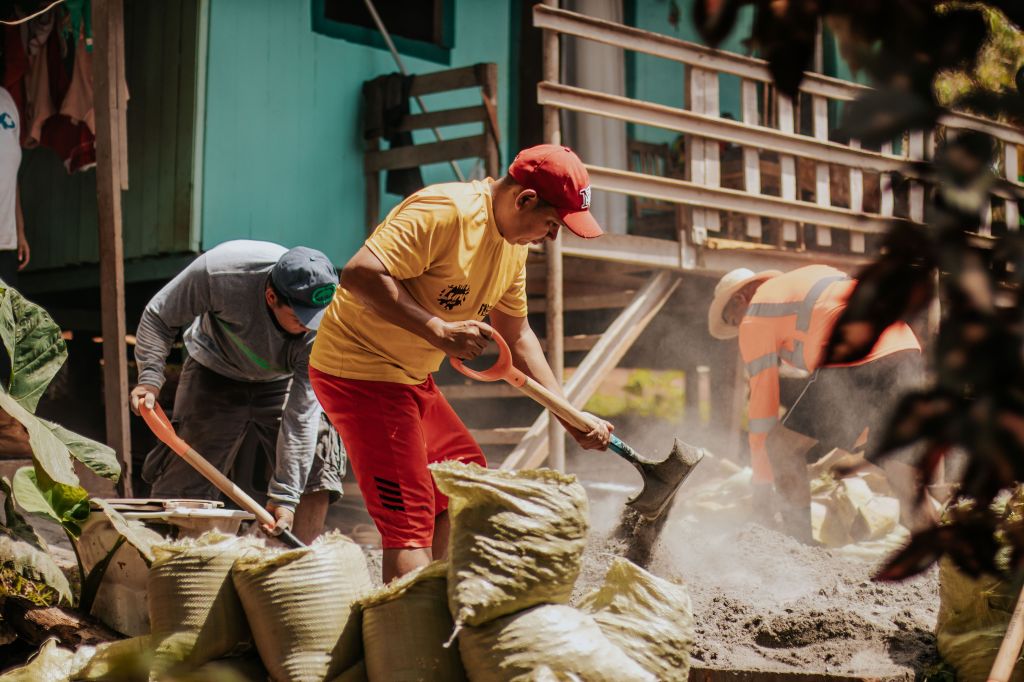
It doesn’t matter how hard we want or try to build a house, if we don’t have a hammer. And a lot of other tools and materials, for that matter.
Where did that “try harder” thing come from, anyway?
Usually it came from someone who wanted to blame us for our own pain.
After all, if our suffering reduces to a problem of effort, they don’t have to take any responsibility for it, do they?
Then we survivors take that “not trying hard enough” BS (Belief System) and apply it to ourselves, because on some level we actually like the idea that we can do more or less ANYTHING if we just “try hard enough.”
We would rather feel guilty than powerless, as an old Dialectical Behavior Therapy saying goes.
No one, and I mean no one, is harder on trauma survivors than we ourselves are.
It starts out with us imitating our bullies and abusers— who were often our primary caretakers and models— but we sure take it and run with it.
We don’t do this because we “like” it. We do this we lack alternatives. We don’t relish the idea of building a house without a hammer, but we’ve never been given a hammer to work with.
We’ve only been told “try harder.”
Taking realistic responsibility for our trauma recovery is a good thing, a necessary thing, a beautiful thing.
But we’re not going to “try hard” our way into building a house with our bare hands.
We need tools.
Think stacking your toolbox— with tools other than shame or pressure.
Breathe; blink; focus.


