
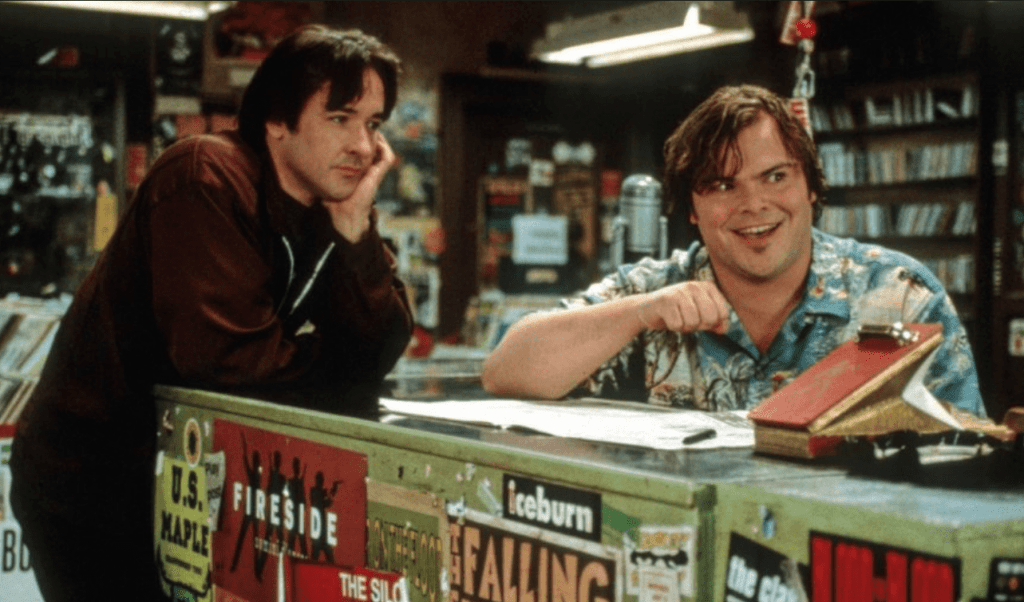
We’re not going to realistically build self-respect while also mocking or hiding the things we like.
Many of us were taught by our bullies and abusers to do exactly that.
We were taught that if we like something, we can’t show it.
We were taught that if we’re passionate about something, we’d better keep it hidden.
We were taught that liking something a lot is “cringe,” and that the only way to keep from being mocked about it is to mock it first ourselves, pretend that we like it ironically.
I almost never see this discussed in “trauma treatment” circles— how the stuff we like, the stuff we’re passionate about, is integral to our trauma recovery.
After all, what are we recovering for?
We need something to think about, to dig into, to celebrate.
We need our lives to be ABOUT something other than trauma.
I don’t believe we like the stuff we like “for no reason.”
The stuff we like, the stuff that resonates with us— stories, music, movies, shows, plays, art, characters— speak to us for reasons. And I choose to believe those reasons are important.
One of the reasons I can’t design a generalized trauma recovery plan for everybody reading this is because we’re all individuals. What heals me, may not heal you; and what heals you, may not resonate with me.
And make no mistake: the art that resonates with us, heals us. In profound, sometimes inexplicable ways.
Just like we’re not finding our way out of this CPTSD maze while also mocking and denigrating ourselves, like we were conditioned to do by our bullies and abusers, we’re also not finding our way out of this labyrinth while mocking and denigrating the things we love.
The things we like and love and invest in— those are part of us.
Pay attention to what you like and love and get interested in and get passionate about.
Notice what resonates with you, what catches your attention, what tugs at your heart.
Treat the things you like and love with respect. Don’t let anyone con or coerce you into denying or disowning them just to be one of the “cool kids.”
Let me tell you something about real “cool kids:” they don’t actually try to pressure or shame anyone into not liking or celebrating what they like.
Not every resource that supports your trauma recovery is going to explicitly be a trauma recovery resource.
But what every resource that supports your trauma recovery will have in common is, it will “grab” you in a positive way.
Instead of denying and disowning those things that “grab” us, we need to nurture them, collect them, invest in them.
The stuff we like and love and get passionate about are clues.
They point the way home.

 Use Your Damn Skills
Right on, Doc. Such an important point. I still apologize for oil painting sometimes, only feel glimmers of confidence in it. Other artists have convinced me to treat my passion for it with respect. Only after several years now, tho. I thought just allowing myself to do it, finally, in this latter part of life was enough courage. And, it is. It really helped towards healing, to embrace that passion with no f*cks given, which is what it takes because so many ppl question the value of the pursuit. I still can’t market myself, or even take charging anything seriously if someone wants a piece tho. And, may never. But, now I’m ok with that because it’s a conscious choice, rather than simply undervaluing my personal passion. I think it took a lot longer because of trauma conditioning voices in my head. Great point to go towards our passion, not just seek to get away from trauma. Key point Thanks, Doc🙌🎨🎼🎭✍️
Sent from Yahoo Mail for iPhone
LikeLiked by 2 people