
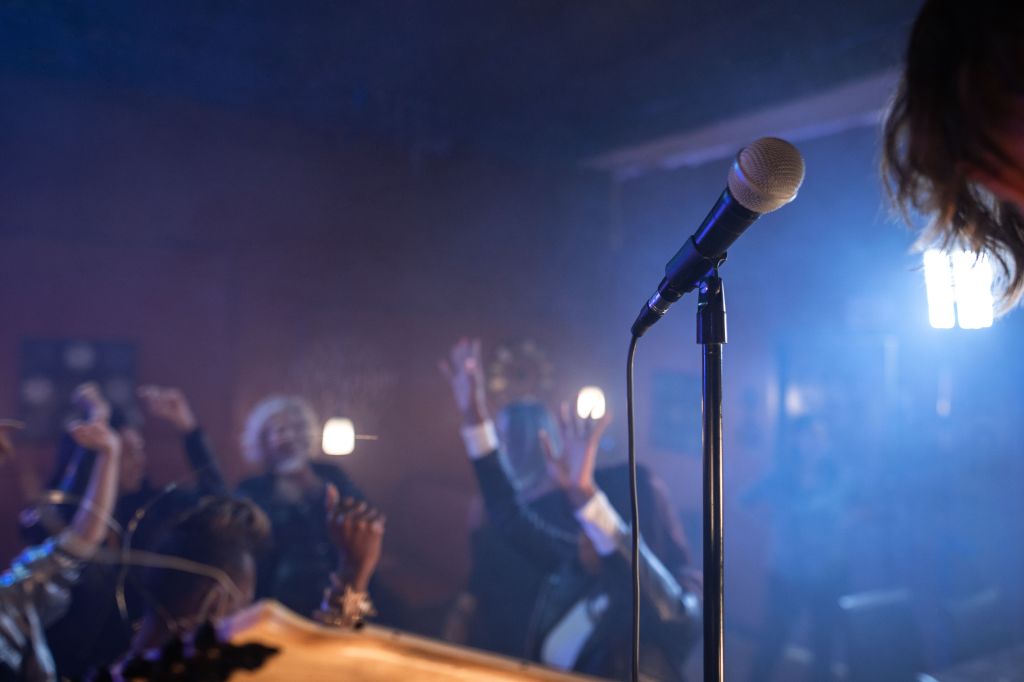
Who were you conditioned to “perform” for?
Because something many trauma survivors have in common is that we were all conditioned to “perform” for somebody.
Many of us were conditioned to believe that we did not have worth if we did not “perform.”
Or we were not safe if we did not “perform.”
Maybe we were conditioned to believe we would be abandoned if we did not “perform.”
Our “performances” take many forms. Some of us were programmed we had to look a certain way.
Some of us were heavily programmed to believe we had to weigh a certain amount.
Maybe we were programmed to believe we had to be funny.
Some of us were programmed to believe we had to be sexually available.
Whatever it was, we were programmed to believe that our life literally depended on our “performance.”
We couldn’t opt out. Not realistically, not safely.
Fast forward to now: many of us believe that we still have to “perform.”
The person or entity that we were originally conditioned to believe we had to perform for may not even be in our lives anymore— may not even be alive anymore— yet we STILL believe we have to “perform” for them.
Who it for you?
For me, it tends to be a combination of my father, and my former mentor in the trauma treatment field.
For as much as I develop my self esteem and work my trauma and addiction recovery, my brain still steers right back to imagining what ether or both of them would think or say about how my life and career are going.
It’s no way to live.
“Performing” for people from our past will exhaust and demoralize us.
It’s important to know that we’re not “choosing” to “perform”— we were conditioned, programmed, brainwashed to believe we “have” to.
Stopping it is going to take more than a one time decision.
It’s going to require us to be patient, realistic, and self compassionate with ourselves when we stop “performing”— and our anxiety spikes.
Because it will.
Neither you nor I have to “perform” in the way we were once upon a time conditioned to believe we had to.
We have worth and our lives and careers have value, whether or not our father or mentor would approve of them or not.
But we’re going to have to sit with those “parts” of us that are so afraid of abandonment and punishment if we stop “performing.” We’re going to have to sit with those “parts,” in their uncertainty and their anxiety and their urge to just do what they were told they “had” to.
Show time is over.
And that’s okay. Really.


