
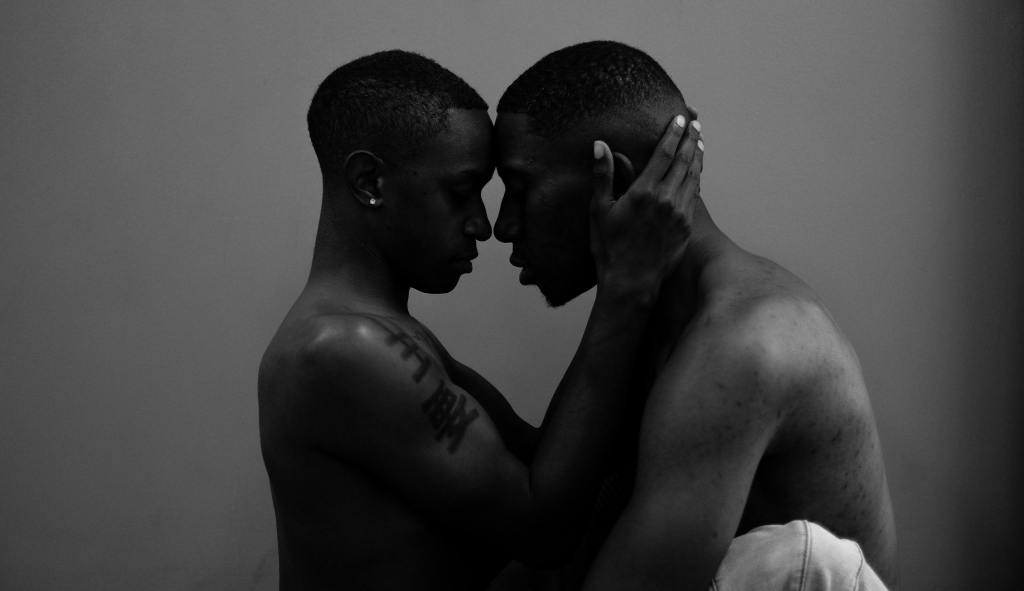
You’re going to hear it said again and again that you need to experience safe relationships in order to heal trauma— and, yes, safe relationships can sure help heal trauma.
But I wouldn’t go so far as to say safe relationships are “the” thing that heals trauma.
There isn’t really one universal thing that does heal trauma, unfortunately.
But specifically when it comes to safe relationships: you can have all the safe relationships in the world, but they won’t help heal trauma unless you can internalize that safety.
That is to say: unless you can use those relationships as a model for how to relate to yourself.
The essence of CPTSD is that we don’t feel safe in our own skin.
Yes, that lack of safety inside does mirror the lack of safety outside, especially in the past— but it’s the lack of internal safety that we’re carrying around, into every situation, into every relationship.
It’s the lack of INTERNAL safety that drives our trauma responses, irrespective of how much safety does or does not exist around us.
(Mind you, I’m NOT saying that external safety “doesn’t matter.” It’s just not what I’m talking about here.)
If we’re going to realistically recover from our CPTSD, we have to find a way to internalize a feeling of safety— and that can only be generated by how we talk to ourselves, how we consistently leverage our mental focus, and how we use our physiology, notably our breathing.
Safe relationships can HELP us develop self talk, mental focus, and physiology that support us feeling safe in our own skin— but I get real annoyed whenever I see someone pretending that “safe relationships” in themselves “heal” trauma.
Why does this matter? It matters because if we try to put all our recovery eggs in the basket of “safe relationships,” we’re misunderstanding the task in front of us— and we’re setting ourselves up for potentially unhealthy dependence on others.
I used to have a therapist to whom I felt very positively attached. He offered a great deal of modeling when it came to consistency, honesty, and kindness. But for a long time, even with this experienced, skilled therapist, I stayed stuck— because I had this idea that it was something about him that would somehow “heal” me.
I now understand that that therapy relationship, like any healing relationship, was a tool— useful, but not in itself what was going to complete the project.
The project is a DIY project— a Do It Yourself one.
Many people don’t love hearing that, but it’s the f*ckin’ truth.
I want everybody to have safe relationships. Everybody reading this DESERVES safe relationships. There is no denying the power of safe relationships to support us in learning and practicing new ways of relating to ourselves.
But we need to be crystal clear on the fact that it’s the “relating to ourselves” part that does the heavy lifting.
Easy does it. Breathe; blink; focus.

 Use Your Damn Skills