
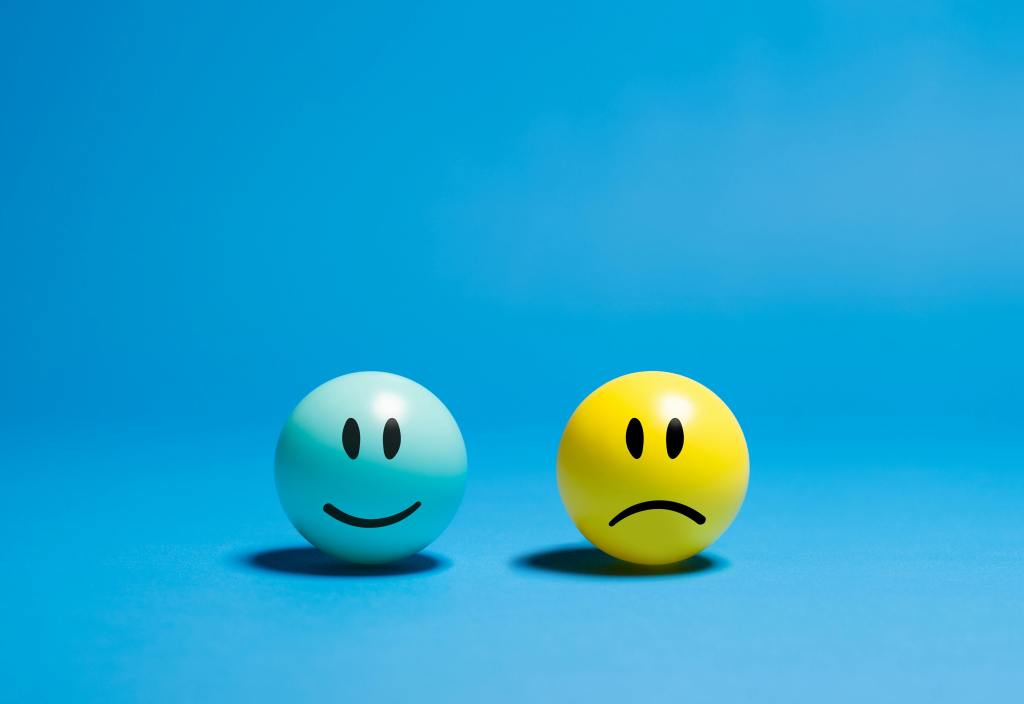
Naming our emotions can be a powerful, underused CPTSD recovery tool.
Naming our emotions as we experience them helps pry us out from feeling overwhelmed by them, immersed in them.
It shifts us, at least a little, to an observer of our emotions, not just who experiences them.
Naming our emotions communicates to our nervous system and “parts” that our emotions are important, and worth identifying. That we respect and value them enough to be specific.
Naming emotions can help reduce their intensity. There’s a difference between feeling “sadness” or “fear,” for example, and “AHHHHHHHHHHHHH.”
Naming our emotions enlists the left hemisphere of the brain. Anything that gets us using words when we’re overwhelmed hooks into that left hemisphere— which is the “coolant” to the “nuclear reactor” that is our overheated right cerebral hemisphere.
(This is one reason talking in therapy or to a friend when we’re emotional often calms us down— using words and giving structure to what we’re experiencing taps into that “cooling” left hemisphere, instead of leaving us stranded with a right hemisphere that is melting down.)
Naming our emotions gives us a chance to actually devise a realistic strategy for processing and responding to them. Sadness requires a different strategy than fear, requires a different strategy than anger.
What we’re experiencing matters when it comes to realistic strategy and tool selection.
Naming our emotions can be a step toward validating them— and validation needs to be worked into any and every effective CPTSD recovery tool and strategy.
Naming our emotions might take practice and patience, especially if we’ve been conditioned to deny and disown our emotional life— as most CPTSD survivors have been.
So— don’t pressure yourself.
Maybe even start with an emotion chart or wheel. Think of getting to know your emotional world like learning a language— you might need some vocabulary “flash cards” at first.
But people learn languages.
Just like survivors can get good at naming our emotions.
It’s a straightforward, free recovery tool that we have nothing to lose, and potentially a lot to gain, by trying.

 Use Your Damn Skills