
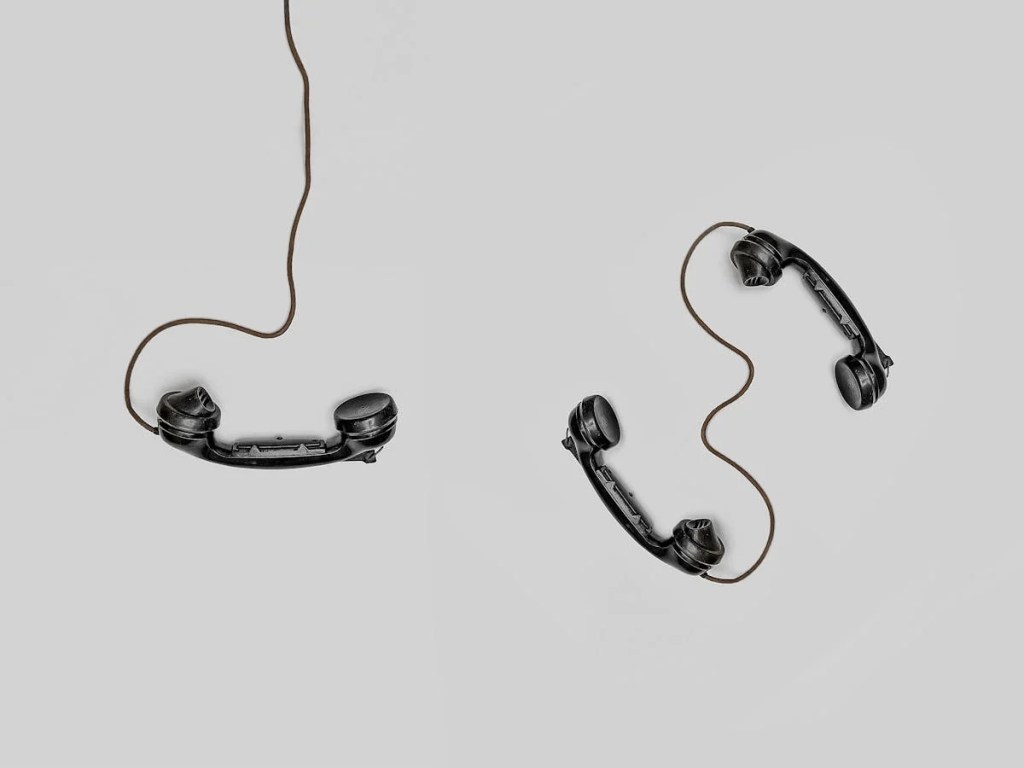
The quality of our trauma recovery is the quality of our relationship and communication with ourselves.
If we’re struggling with recovery, it’s almost always because that relationship and communication has broken down somehow.
We’ve lost touch with ourselves.
We’re not checking in.
We’re not listening.
We’re not open to whatever our body and our parts are trying to tell us.
There can be lots of reasons why our relationship and communication with ourselves can get blocked, and many of them aren’t our fault. It’s almost never the case that we struggle with recovery because we’re “not trying hard enough.”
Usually, we’ve gotten scared or overwhelmed.
We’ve gotten distracted by all the noise. All the chaos— inside and out.
When we are overwhelmed, it’s hard to relate to ourselves with compassion and patience— and it’s especially hard when for years we’ve been conditioned by trauma to dislike and distrust ourselves.
During times of fear or overwhelm, we tend to regress.
We fall back into our default patterns of relating and communicating to ourselves.
That’s one of the main reasons why, when we’re badly triggered, we can feel like we’re back at Square One: we’re aware of having regressed.
It can FEEL like we’ve lost all our progress— but we haven’t.
It can FEEL like all the tools and skills we’ve ever developed have abandoned us— but they haven’t.
When we’re scared and overwhelmed, it can take a minute to remember that recovery is about how we relate and communicate to ourselves.
Sometimes it takes even longer to remember, because we feel embarrassed or ashamed that we’re struggling.
Fear, overwhelm, embarrassment, shame, dissociation— they all make it hard to get back on track with relating and communicating with ourselves in recovery supporting ways.
But we can get back on track.
We can plug back in to our experiences and our needs with compassion and patience.
We can start reaching out and listening to our parts again.
We can remember and remind ourselves who we are, and what we’re all about.
The trick is staying out of shame and self-blame.
Not assuming that because we’re struggling, we’ve lost the fight.
Not telling ourselves a story, over and over again, about how we suck, how we’re hopeless, how we can’t recover, how it’s not worth even trying.
Trauma robs us of many choices— but there are some choices we do have, even in moments of fear and overwhelm.
The most important of those choices is how we relate and communicate to ourselves.
The quality of our recovery is the quality of that relationship and that communication.
And it’s never too late— never the wrong moment— to pay attention to it with acceptance and love.

 Use Your Damn Skills