
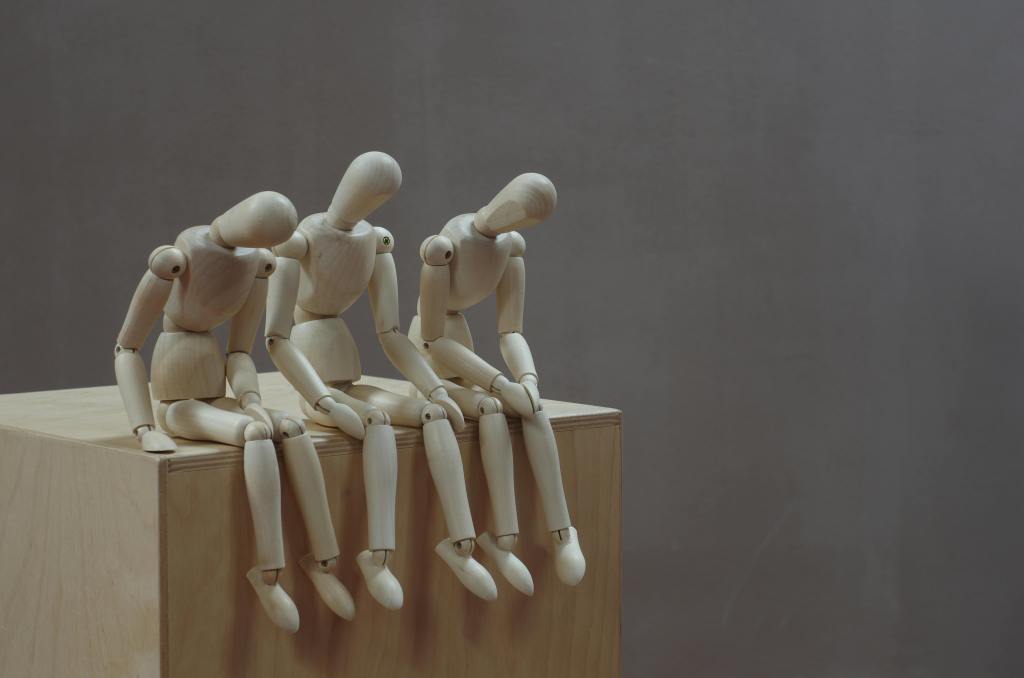
Sometimes we’re just in a mood.
It doesn’t necessarily have to do with depression.
It doesn’t necessarily have to do with trauma, even.
Something we can lose perspective on when we’re struggling with trauma responses and working our trauma recovery is, we’re also allowed to have normal mood shifts.
We’re allowed to have feelings and reactions that have nothing to do with trauma.
Of course, our trauma history and symptoms might find ways to “spike” or otherwise influence our “normal” mood and energy shifts— but we need to remember that just because we are trauma survivors, not everything in our life is or has to be about trauma.
Why does this matter? Because CPTSD has a way of convincing us we are nothing BUT our trauma.
CPTSD can be so pervasive, so overwhelming, so consuming, that we can totally forget that we have thoughts, feelings, reactions, and needs that do not derive from trauma wounds.
For my money it really maters that we are more than trauma survivors.
Yes, trauma recovery may become the toolbox to which we turn most often in making decisions and navigating life— but it doesn’t follow that we are reducible to our trauma.
Put another way: you are not our CPTSD, or even your DID.
You are a person, a whole human being, who experienced trauma, and who experiences CPTSD and/or DID.
It can be counterproductive to our recovery if every time we’re in a mood, we leap immediately to the conclusion that we’re experiencing a trauma symptom or response.
Our non-trauma based moods and responses deserve acknowledgment, too.
Our non-trauma recovery needs need to be met, too.
We have permission to be human beings who have a whole range of emotional and physical experiences beyond our wounds.
Sometimes we’re just in a mood.
And it would be condescending and inaccurate for anyone, including ourselves, to chalk every mood we’re ever in up to CPTSD.
Be in a mood. Give ‘em the door if you need to.
Normalize being human.


