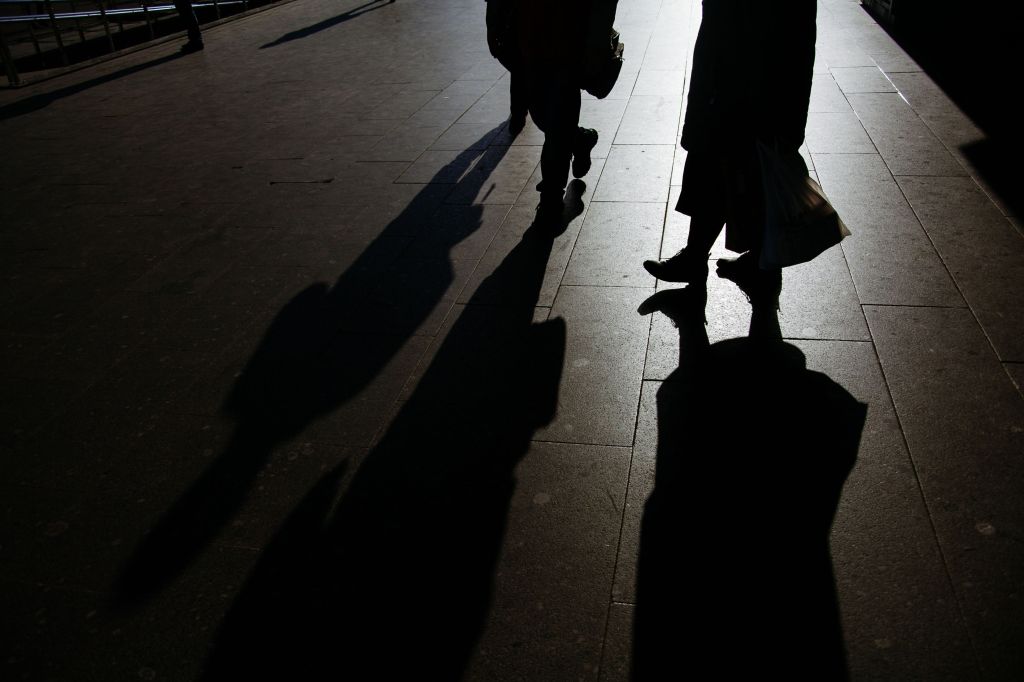
Us and our shadows.

We all have a “shadow” self. 

A version of ourselves that is a little— or a lot— dark. 

This is a normal human thing, but CPTSD survivors can have particularly complicated relationships with our shadows. 

We’ve often been assailed, for years, with messages about how “bad” we are. 

We’ve had shame used to control our thoughts and behavior for years. 

Even when we try to recover, we often get messages about how bad our “attitude” is. About how we should “smile” and “engage” more. 

All of that can make us especially sensitive to, and conflicted about, our shadow self. 

We need to understand that our “shadow” self is not evidence we’re “evil,” or even “bad.” 

The concept of a “shadow” self has been around so long that versions of it crop up in the earliest psychological theories, long before Carl Jung popularized the idea. 

Freud’s entire body of work is all about how we engage with our “shadow” drives— most prominently our sexual and aggressive instincts. 

Everybody has a “shadow self.” It doesn’t make anyone a predator or an abuser. 

Predators and abusers are not predators and abusers because their “shadow” selves exist. 

They’re predators and abusers because of how they relate to their “shadow” selves (and for lots of other reasons). 

For trauma survivors working our recovery, how we understand, relate to, and manage our “shadow” selves really, really matters. 

It can be enormously destructive to our recovery if we deny and disown our “shadow.” 

Realistic trauma recovery doesn’t tolerate the refusal to see what we see and know what we know— including our “shadow” self. 

Acknowledging our “shadow” doesn’t mean we let it run the show or make decisions for us. 

It doesn’t mean we become mean, impulsive, or otherwise destructive. 

It means we accept that we are human beings, with the full spectrum of human feelings and experiences— including the darker ones. 

The quality of our trauma recovery is the quality of our relationship with ourselves— including our “shadow” self. 

The intensity of our “shadow” doesn’t mean we’re bad or broken. 

It almost always speaks to safety and guidance we didn’t get once upon a time when we were vulnerable. 

We’re not getting gout of this trauma maze while denying or disowning aspects of who we are— even aspects that make us anxious, aspects we’re conflicted about, aspects we don’t love. 

We don’t have to identify with our “shadow” self. 

But we don’t have to pretend it doesn’t exist, either— or assume that it means something about us that it doesn’t. 

Breathe; blink; focus. 

What self-acceptance is and isn’t in trauma recovery.

Why do we emphasize self-acceptance in trauma recovery? 

It’s not because we love where we are in life. 

It’s not even because we love WHO we are at this moment. 

If we’re working a trauma recovery, we by definition want to change both where and who we are. We don’t work a trauma recovery to stay the same. 

We emphasize acceptance in trauma recovery not because we don’t want to change, but because we DO want to REALISTICALLY change— and realistic change does not start with self-rejection or self-hate. 

If self-rejection or self-hate were successful or sustainable change strategies, most trauma survivors would have zero problems changing. 

But self-rejection and self hate are not— either sustainable or successful change strategies. 

Self-acceptance is not about approving of where or who we are. It’s about acknowledging that we are starting exactly where we’re starting. 

It means being realistic about what we’re up against. 

It means being realistic about our strengths and our vulnerabilities. 

But most of all, self-acceptance means we are not going to relate to ourselves like our bullies and abusers did. 

It means we are not going to try to influence our own behavior via shame and pressure— even if that’s what we were taught or what we experienced growing up. 

Many people new to the Twelve Step recovery tradition are confused by Step One, which emphasizes not only acceptance, but powerlessness. 

How on earth are we supposed to recover, if the price of admission to recovery is “accepting” that we are “powerless” over our problem? 

That’s the thing: we are not accepting that we are “powerless” OVER our problem. 

We are accepting that we are powerless over the fact that this is exactly where we are right now. 

That things are exactly as bad as they are, right now. 

That the past happened exactly the way the past happened. We are powerless over that. 

We are NOT “powerless” over our next micro choice. 

We are not required to “accept” the lie that Trauma Brain keeps trying to tell us— that we don’t “deserve” a different life, or that it’s just “too hard” to recover from trauma. 

Self-acceptance is a starting point that, most importantly, differentiates us from our abusers and bullies. 

It’s not where we stay or where we end. 

It’s one necessary, important tool, especially in early recovery— but one tool does not a strategy make. 

The recovery STRATEGY is to accept where we are so we can maximize our chances of realistically CHANGING.