
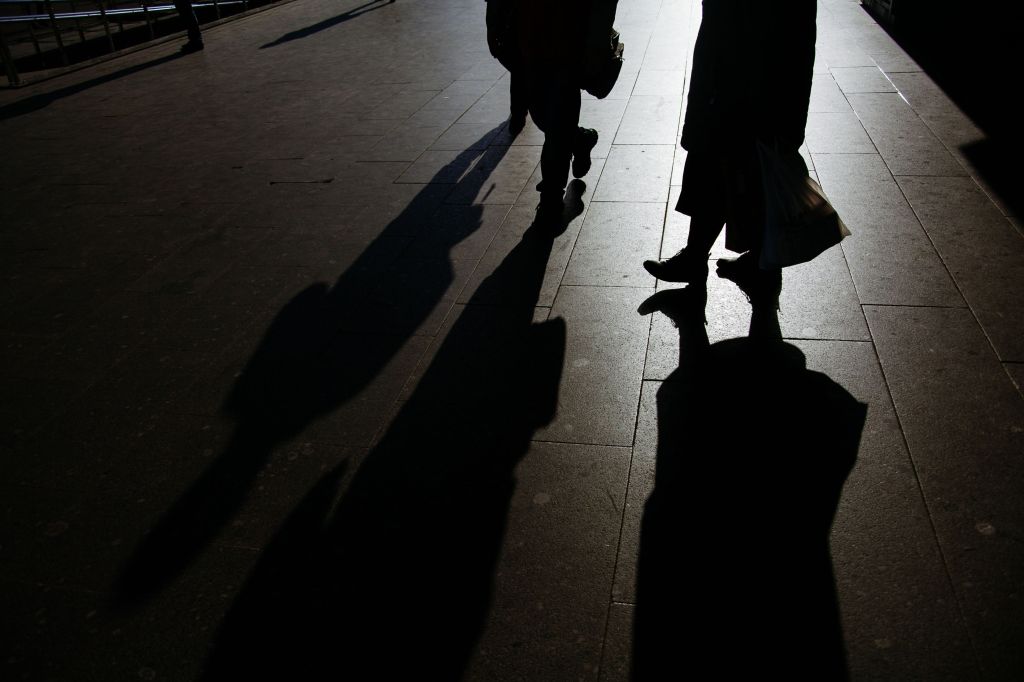
We all have a “shadow” self.
A version of ourselves that is a little— or a lot— dark.
This is a normal human thing, but CPTSD survivors can have particularly complicated relationships with our shadows.
We’ve often been assailed, for years, with messages about how “bad” we are.
We’ve had shame used to control our thoughts and behavior for years.
Even when we try to recover, we often get messages about how bad our “attitude” is. About how we should “smile” and “engage” more.
All of that can make us especially sensitive to, and conflicted about, our shadow self.
We need to understand that our “shadow” self is not evidence we’re “evil,” or even “bad.”
The concept of a “shadow” self has been around so long that versions of it crop up in the earliest psychological theories, long before Carl Jung popularized the idea.
Freud’s entire body of work is all about how we engage with our “shadow” drives— most prominently our sexual and aggressive instincts.
Everybody has a “shadow self.” It doesn’t make anyone a predator or an abuser.
Predators and abusers are not predators and abusers because their “shadow” selves exist.
They’re predators and abusers because of how they relate to their “shadow” selves (and for lots of other reasons).
For trauma survivors working our recovery, how we understand, relate to, and manage our “shadow” selves really, really matters.
It can be enormously destructive to our recovery if we deny and disown our “shadow.”
Realistic trauma recovery doesn’t tolerate the refusal to see what we see and know what we know— including our “shadow” self.
Acknowledging our “shadow” doesn’t mean we let it run the show or make decisions for us.
It doesn’t mean we become mean, impulsive, or otherwise destructive.
It means we accept that we are human beings, with the full spectrum of human feelings and experiences— including the darker ones.
The quality of our trauma recovery is the quality of our relationship with ourselves— including our “shadow” self.
The intensity of our “shadow” doesn’t mean we’re bad or broken.
It almost always speaks to safety and guidance we didn’t get once upon a time when we were vulnerable.
We’re not getting gout of this trauma maze while denying or disowning aspects of who we are— even aspects that make us anxious, aspects we’re conflicted about, aspects we don’t love.
We don’t have to identify with our “shadow” self.
But we don’t have to pretend it doesn’t exist, either— or assume that it means something about us that it doesn’t.
Breathe; blink; focus.

