“Functioning” does not equal “fine.”

Because you’re “functioning” at a “high” level, doesn’t mean you’e not injured. 

It doesn’t mean you’re not hurting. 

It doesn’t mean what happened “wasn’t that bad.” 

And it doesn’t mean you “don’t need” resources or support. 

Many trauma survivors “learn” how to “function”— even when we feel overwhelmingly non-functional. 

We learn this as a survival strategy. 

We learn it as a distraction strategy. 

We learn it as a way to convince other or ourselves that we are valuable or worthy, especially when we don’t feel particularly valuable or worthy. 

Sometimes we don’t even understand how we’re “functioning,” given that we feel so sh*tty— enter the magic of dissociation. 

Very often either we or someone else will hold out our level of “functioning” as “evidence” that we’re not REALLY all that injured. 

They’ll hold out our academic or professional achievements, and and of raise their eyebrows. “Are you really all that hurt? Was it really all that bad?” 

Yes, we are; and yes, it was. 

No survivor’s academic or professional resume’ tells the whole story of their past or their pain. 

And nobody looking at our story from the outside knows the true cost of those accomplishments. 

Trauma survivors are real good at learning how to “present” well. 

It’s a skillset we mastered in oder to minimize anyone’s awareness of our vulnerability— including ours. 

If you learned to “function” at a high level, and if that “functioning” has come with rewards, I’m glad for you— you deserve credit for everything you’ve achieved. 

But don’t let the fact of your success mess your head up about whether you were “really” hurt, or whether you “really” need or deserve help. 

Achievements and “functionality” don’t tell the whole story. 

Just ask the literal hundreds of PhD’s, medical doctors, scientists, executives, attorneys, and leaders who have walked through my door in the last decade. 

There are lots of reasons people overtly “succeed” in our culture. 

But “success” does not mean anything about what we did or didn’t experience growing up— or what we are or aren’t experiencing now. 

And it absolutely doesn’t mean anything about what we do or don’t need or deserve now. 

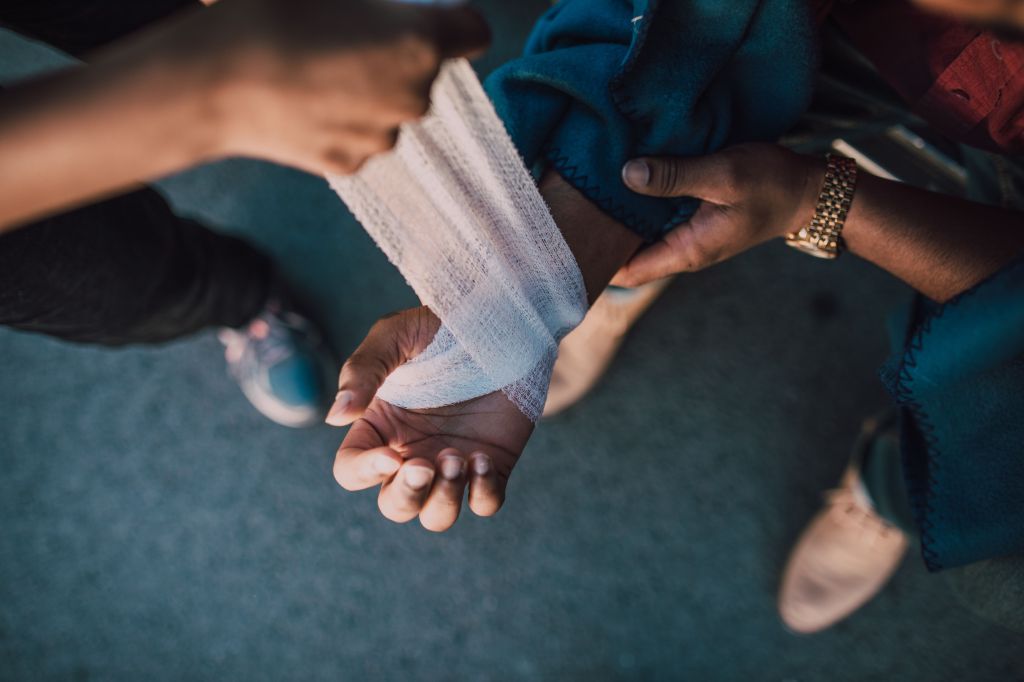
Touch your trauma wounds with forgiveness.

One of my challenges in trauma recovery is touching my wounds with forgiveness. 

Many survivors, including me, are tempted to touch our wounds with frustration. 

We are tempted to touch our wounds with bitterness. 

We are tempted to touch our wounds with shame. 

We are tempted to touch our wounds with self-blame. 

Of course we are. These wounds that were inflicted up on us that we call “trauma” are a seemingly endless source of pain for many of us. 

It would be weird not to be tempted to touch those wounds with acrimony. 

But one of the lessons I’ve learned in my own recovery is that it doesn’t particularly matter why we are touching our wounds as we are— our wounds will absolutely respond to how we touch them. 

If we touch our trauma wounds with hostility, they will absolutely throb and deepen and reopen. 

Our trauma wounds are painful enough. They don’t need us touching them with malice. 

If we’re going to touch our trauma wounds, we need to touch them with tenderness. 

We need to touch our trauma wounds with humanity. 

We need to touch our trauma wounds with love. 

That can be totally counterintuitive for trauma survivors who have been conditioned to hate and blame and shame ourselves for our symptoms and reactions and needs. 

We were told, over and over again, that these things we feel and these reactions we have make us “weak.” 

We’ve been called “needy” for them. We’ve been told we are “oversensitive” and that we “overreact” and that we need to “let it all go.” 

Over time it only makes sense that we would get in the habit of repeating those things that we heard again and again and again— often from the very people who also claimed to “love” or “support” us— to ourselves. 

That is to say, we got in the habit of touching our trauma wounds with venom. 

But we are not going to heal or recover from our trauma with venom. 

I know how hard it is to be nice to ourselves when we’ve been conditioned to hate ourselves. 

I know hard it is to trust ourselves when we’ve been programmed to distrust ourselves. 

Every attempt we make to support and nurture ourselves in trauma recovery is going to be met with conditioning that insists— convincingly, often— that we do not deserve kindness or forgiveness or patience or compassion. 

Every single day in trauma recovery we will be working against programing that was installed and reinforced by our bullies and abusers over years. 

Touching our trauma wounds with forgiveness will not come naturally, in other words. 

It’s going to feel weird. It’s going to feel wrong. It’s going to be hard. 

But the fact that Trauma Brain does not want us to touch our wounds with forgiveness is a pretty good indication that doing so is essential to realistic, sustainable recovery. 

Touch your trauma wounds with forgiveness, even when it’s hard. 

Even when it’s awkward. 

Even when parts of you are urging you to scratch and claw and jab at those wounds.

Touch your trauma wounds with the same kind of gentleness and love you would use to touch a beloved pet that is hurting. 

If I can do it, you can do it. 

(And if I struggle with it, it’s okay for you to struggle with it.)

Patience and self-compassion are not optional accessories on this recovery journey. They are non-negotiable tools we use every day. 

And like any tool, they get easier to wield as we get more practice with them. 

Easy does it. 

Easy, easy does it. 

“Self love” is oversold.

We don’t, actually, have to “love” everything about ourselves. 

A lot of the discourse around trauma and addiction recovery tends to return to the subject of “self love,” with the message that we “have” to love ourselves if our recovery is going to succeed. 

Many survivors feel intimidated and alienated by this message— because the truth is, there are a lot of things about ourselves that we don’t love, and that we very much want to change. 

The messages we receive about the importance of self-love often seem to devolve into superficial demands that we not want or try to change anything about ourselves. 

Here’s the thing: we are working our trauma recovery explicitly because we want to change certain things about ourselves— things that have not been working for us, that have endangered or almost ruined our lives. 

If we don’t want to change anything about ourselves, why work a recovery? 

Furthermore, is it all that “loving” toward ourselves if we continue on in patterns of feeling and functioning that are miserable for us and the people and pets we care about? 

There’s also the small issue of: if we truly can’t recover “until” we love ourselves, many survivors are going to be waiting years before working or recovery— because, spoiler, most of us do not love ourselves now, and we will not develop self-love overnight. 

I do not think we “have” to love ourselves to recover from trauma or addiction. 

We DO have to AVOID behaving in self-hating or self-sabotaging ways— that is to say, we have to avoid behaving consistently with how we’ve been taught to behave— but the opposite of those behavior patterns doesn’t have to always or automatically equal “self love.” 

I think “self love,” as a feeling, is a tall order, and often a moving target. 

The truth is, we’re going to feel all kinds of different ways about ourselves at different times. 

If we can only behave toward ourselves in recovery supporting ways when we happen to feel “loving” toward ourselves, we’re depriving ourselves of resources and support in those times we need them the most: when we absolutely hate ourselves. 

The quality of our trauma or addiction recovery is proportional to our willingness and ability to show up for ourselves when we LEAST feel we deserve it.

To me it’s impractical to insist that survivors who have been taught to hate themselves, suddenly turn around and love themselves as a prerequisite to recovery. 

I actually think the opposite is usually what happens: we work our recovery with consistency, even when we don’t feel like it— and, over time, it’s showing up for ourselves again and again that produces and facilitates the emotional experience of self-love. 

That is to say: we usually don’t feel our way into loving behaviors; more often we behave our way into loving feelings. 

Many people get “love” confused with “acceptance.” 

We don’t necessarily have to love ourselves to recover from trauma— and that’s the good news, because many trauma survivors can’t wrap our head around what “self love” would even look like at this point. 

We DO have to accept ourselves— including all the stuff we don’t like, and all the stuff we want to change. 

“Accept” does not imply that we don’t try to change those things we dislike about ourselves. To the contrary: in order to realistically change things about our lives that aren’t working right now, we have to radically accept that they are as they are right now. 

Don’t get up in your head about the “self love” thing. It’s oversold, mostly because it makes for pretty sounding social media posts. 

Will you probably like, and maybe eventually love, yourself more as you work your recovery? Yes— working your recovery is the most realistic path to increased self-esteem that exists. 

But it’s real easy to let whether we do or don’t love ourselves become yet another recovery task that is associated with pressure and shame. 

Don’t let it. It’s not necessary. 

You just focus in on what you have to do, today, to realistically support your recovery and make the journey .01% easier for the “you” of tomorrow. 

That, after all, is a loving behavior.