
CPTSD is going to try to convince you your struggles and symptoms mean there’s something fundamentally “wrong” with you, personally— but you need to know that’s not true.
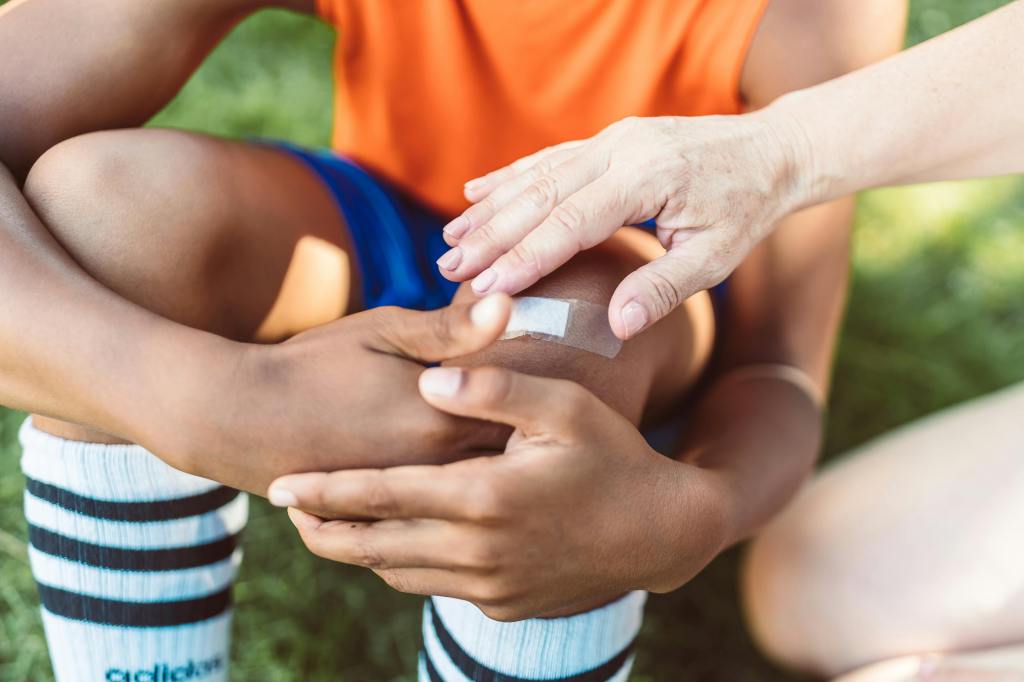
CPTSD is an injury. We didn’t ask for it. We couldn’t avoid it.
Neither CPTSD nor DID reduce to something being fundamentally “wrong” with us as people.
We are not struggling with CPTSD or any of its symptoms— dissociation, depression, anxiety, self harm urges, suicidal ideation— because we are “weak” or “bad.”
CPTSD and DID occur when the human psyche is subjected to specific kinds of pressure without support or escape. It’s just like what happens to a tendon or a bone when it’s subjected to certain kinds of pressure— they break.
That’s not a design flaw with the tendon or bone— of COURSE they break when subjected to certain kinds of pressure.
And the fact that CPTSD or DID develops when our nervous and endocrine systems are subjected to certain kids of pressure is exactly the same— it’s not due to a flaw or weakness in us.
It’s just what happens.
It’s tempting to get up in our head about why we developed CPTSD in response to our experience, whereas others didn’t— but what I can tell you, definitively, is that that difference has absolutely nothing to do with “character” or any other measure of “goodnesss” or “toughness.”
We did not ask for this.
Our vulnerability to trauma responses does NOT have a moral component.
And we do not heal injuries by returning again and again to our insistence that we “shouldn’t” be injured.
So we’re injured. We can’t deny or ignore our way out of it.
We CAN care for our injury as best we know how— in the case of CPTSD, leveraging the tools of self forgiveness, self talk, mental focus, and physiology, especially our breathing.
Yeah, I said self forgiveness. Not because we need “forgiveness” for things that happened TO us.
But sometimes it helps to use that language with ourselves, to the tune of: “I forgive myself for being vulnerable to injury.
I forgive myself for being human.
I forgive myself for needing care.
I forgive myself for every symptom and reaction today— even the ones that frustrate the hell out of me.”
Neither CPTSD nor DID means YOU are “wrong,” or “bad,” or “weak.”
They are injuries. Wounds.
Care for them as such, with compassion and patience and realism.
Breathe; blink; focus.

 Use Your Damn Skills