
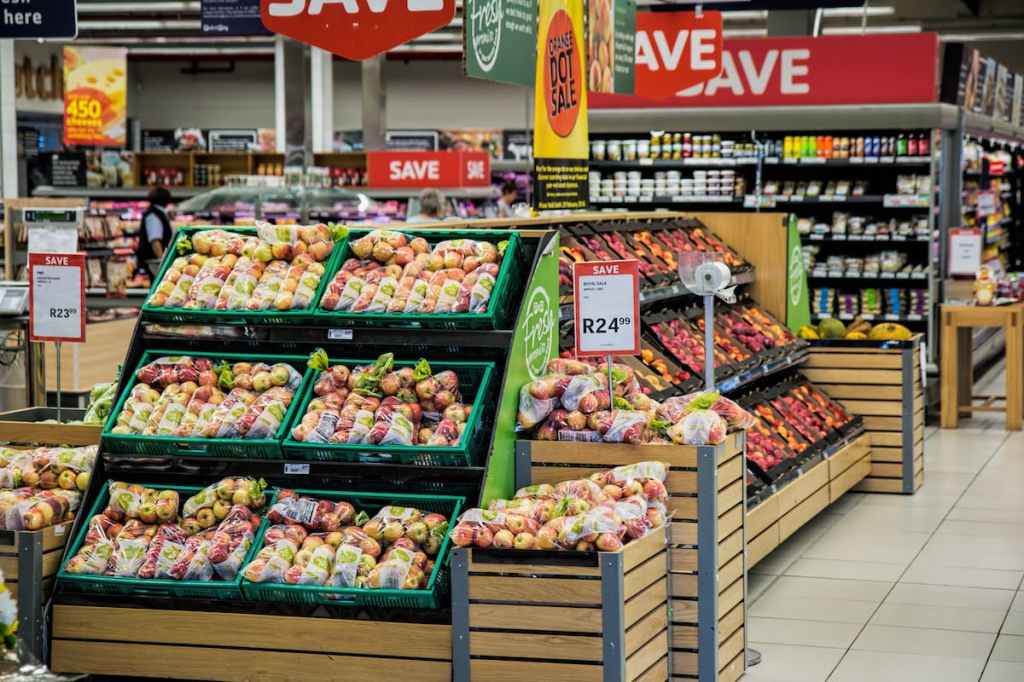
Many survivors struggle with how much trauma symptoms and responses complicate activities of normal, everyday living that many people take for granted.
One thing that trauma very often complicates is grocery shopping.
Grocery shopping is the kind of thing that we often tell ourselves we “should” be able to do easily. After all, generations of adults have had to grocery shop, right? It’s a very normal activity of adult life.
Thing is, trauma responses don’t care what we “should” be able to do, or what “normal” is.
The truth is, grocery shopping can be really stressful for a lot of adults, whether or not they’ve experienced trauma— but it can be particularly complicated for trauma survivors.
Grocery shopping usually means we’re going into a place, a store, where there are likely to be a lot of other people. Trauma survivors whose symptom picture includes agoraphobia or social anxiety— which are both very common struggles for survivors— can have trouble with this aspect alone of grocery shopping.
On top of that, grocery shopping very often requires us to make dozens of decisions within a condensed period of time— which is something many survivors, whose symptom picture includes decision anxiety or paralysis, can struggle with significantly.
Grocery shopping also hits on a trigger many trauma survivors feel particular shame about: financial anxiety and money management.
Many survivors have a complicated, stressful relationship with money— and grocery shopping provides all sorts of opportunities for that stress to get activated, from spending money in the first place, to decisions about brand name vs. store brand products, to decisions about coupons and discounts.
On top of all THAT, buying food can plug right into a trigger may trauma survivors struggle with every day: decisions about what to eat and planning ahead.
Many of our trauma symptoms and struggles come out around food. Food, meals, snacks, and eating in general are well known to be stressful for trauma survivors, who often have painful associations around eating, body image, and family meals.
Take all of these very common triggers for trauma survivors, and add to them the fact that grocery shopping is one of the “never ending tasks,” like laundry and personal hygiene, that many survivors particularly struggle with when we’re experiencing bouts of depression— and you begin to understand why grocery shopping is often way more than a mere “activity of daily living” for survivors.
There is exactly zero shame in struggling with grocery shopping. Grocery shopping tends to stir up multiple triggers and stressors for trauma survivors that many people who haven’t experienced trauma never even have to think about.
What can we do to make grocery shopping less fraught for us in trauma recovery?
I’m a big believer in tag teaming this particular task— having a buddy, either there with you in person or in your earbuds on the phone, with you as you shop.
If a buddy isn’t available for you, I’m big believer in having a playlist or an audiobook in your ears as you shop— so you have an auditory anchor that you can focus on while you do your shopping.
I’m a big believer in planning out as much of a shopping trip as possible beforehand, so you’re making as few on-the-spot decisions as possible when you’re actually in the store. To that end, I’m a big believer in shopping lists— ideally a list you add to throughout the week as you discover you need things, so you’re not left scrambling to think of stuff right before you go.
(I’m a big believer in lists and time management generally as trauma recovery tools— but more on that later.)
If anti-anxiety medication is part of your trauma recovery program, there is zero shame in taking a touch of it before you go grocery shopping— its very purpose is to help you tolerate anxiety and function while stressed.
And absolutely do not be ashamed to have to take a break— or even a nap— after you go grocery shopping. Remember, for as “normal” an activity as everyone seems to think grocery shopping “should” be, for trauma survivors it is putting our nervous system through the wringer. There is no reason why, when you get home and put away all your stuff, you shouldn’t take a bit to recover.
The most important part of managing grocery shopping for trauma survivors is to resist the urge to blame and shame yourself for struggling with it.
You did not ask for a trauma history; you did not ask for trauma symptoms; and you did not ask for something as supposedly “simple” as grocery shopping to be so complicated.
We are never gonna blame, shame, or bully our way to grocery shopping, or any other activity of daily living, being simple or easy when we are struggling with trauma responses.
You know the drill: radical acceptance; radical compassion; breathe, blink, focus.

 Use Your Damn Skills