
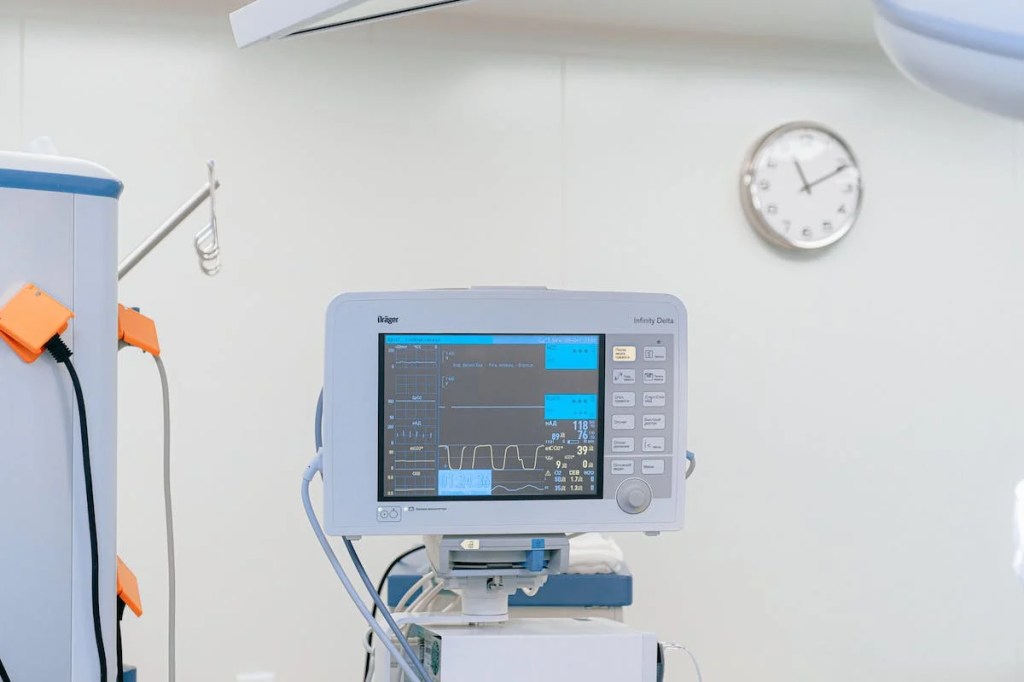
“Medical PTSD” is a term we use to talk about trauma sustained and perpetuated in a medical setting. It’s technically not a diagnosis— but it’s a syndrome of stressors, triggers, and symptoms that, in my experience, is very distinct, and very real.
Many people reading this know what it’s like to suffer from complicated medical conditions— often multiple complicated medical conditions.
Many people reading this know what it’s like to struggle with chronic pain— including forms of “mystery pain,” pain that medical professionals can’t seem to fully explain or pinpoint the origin of.
Often, complicated medical conditions occur in people who also have a history of childhood abuse or neglect— but not always.
What many people “out there” don’t seem to understand is, the experience of having a complicated medical condition, including a severe injury, chronic pain, or a serious illness, especially over time, is itself a trauma.
It’s a trauma that can be seriously compounded by having negative experiences in health care settings— including dismissive or abusive behavior from health care professionals.
I wish I could say those kinds of situations are rare— but, in my experience, they’re not.
In our culture, we’ve made seeking health care frequently inconvenient, often uncomfortable, and almost always expensive— and that’s in the best of circumstances.
When patients with complex or chronic medical situations are treated poorly by medical professionals— behavior that might include condescension, gaslighting, or neglect— the experience of seeking health care can turn into a complex traumatic stressor.
People who struggle with complicated medical issues can’t just opt out of them— they find themselves having to engage with health care delivery systems, sometimes every day.
It’s easy for such people to feel trapped— in much the same way survivors of complex trauma feel trapped in inescapable, painful relationships and situations for years.
When we think of how to heal from traumatic stress, we often start with the premise that to heal from trauma, one has to be out of the traumatic situation. One needs to be safe.
For people struggling struggling with complicated medical situations or chronic pain, there is no “getting out of the traumatic situation.” There is no safety from it.
And when one has been abused or otherwise traumatized in a hospital or other medical setting, their ongoing care forces them to be exposed to the setting of their trauma, again and again.
When a survivor s struggling with Medical PTSD, it’s very common for them to avoid seeking medical care, for obvious and understandable reasons— but, depending on what medical conditions they’re struggling with, this can put their health or life at risk.
It can be difficult for survivors to get people to take Medical PTSD seriously. They tend to be met with a lot of “suck it up— you need to go to the doctor, so go.”
When we’ve been traumatized in a specific setting, like Medical PTSD survivors have, “suck up up” isn’t so easy.
Remember, trauma responses are not “choices.”
The most important thing survivors of Medical PTSD need is support and validation.
Medical PTSD survivors have often been disbelieved and belittled— much like many other trauma survivors— and they very much need safe spaces and relationships in which they do not have to hide or minimize their pain or impairment.
Being a trauma informed professional of ANY kind means knowing about Medical PTSD.
Just like living with trauma is, itself, a trauma, having trauma linked to medical care is, itself, a repeated, complex trauma.
We need to approach it, and ourselves, with compassion.

 Use Your Damn Skills